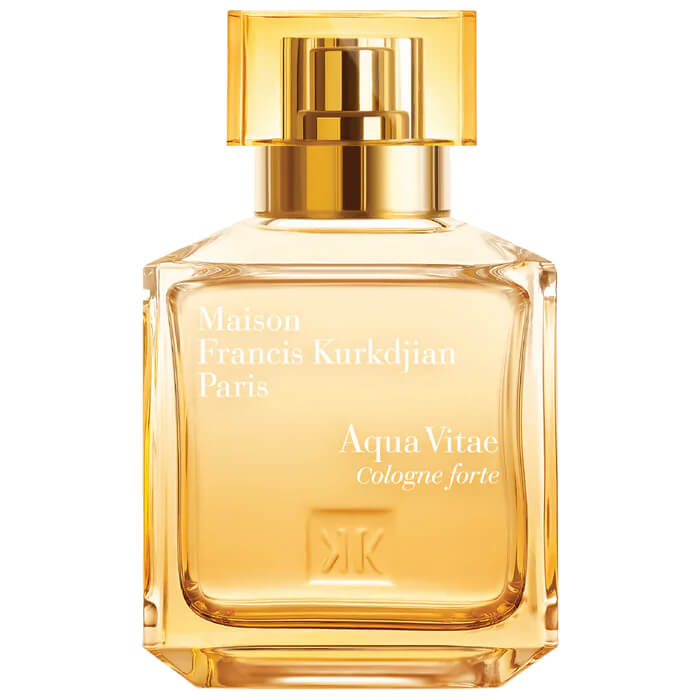
Aqua Vitae forte
Fragrance Profile
Concentration: Eau de Parfum
Olfactory Family: Citrus, Woody, Floral
Key Notes: Mandarin, White Sandalwood, Ylang-Ylang, Guaiac Wood, Cinnamon, Cardamom, Orange Blossom
Manufacturer’s Description: Saturated with light and heat, this Aqua Vitae forte Maison Francis Kurkdjian eau de parfum embodies the power of life. The floral scent creates an invisible bond between fresh nights to come and the warmth of days past. Fresh bergamot and lemon from Calabria elegantly blend with a trio of spices, a bright floral note and the heady whisper of woody scents. Aqua Vitae forte eau de parfum is a deeply sensual fragrant which rekindles the memory and intense emotion of two bodies joined as one.
Olfactory Notes
Mandarin from Sicily: At the beginning of January in Sicily, the fields of mandarin trees offer an almost unreal landscape: rows of green shrubs punctuated by orangey-yellow fruits spreading as far as the eye can see between sea and mountains. This Citrus reticulata was imported from Asia at the beginning of the 19th century. According to legend, its name came from its color, identical to the ceremonial dresses of Chinese Mandarins. The fragrant compounds contained in its peel are extracted by cold expression to obtain its oil. This variety has citrusy, zesty but also green, sweet and slightly sulphurous facets. This sparkling and joyful top note enhances a Cologne and energizes an ambery perfume.
White Sandalwood: This Indian wood is considered to be sacred. It is mentioned in many Sanskrit texts and is still burned in Asia during religious celebrations. For perfumers, the Santalum album growing in India, China and Indonesia is the reference, even if there are now two other varieties cultivated in Australia and New Caledonia. The Indian quality is often referred to as Mysore because it is the historical region in the south of the peninsula that produces the largest amount. The oil distilled from the ten-meter tree is rare and expensive, because it takes more than 50 years to obtain a tree that can be used in perfumery. Its low volatility makes it a very persistent base note. Its fragrance is woody, milky, slightly spicy, round, soft and enveloping.
Ylang-Ylang: In the Philippines, it means “flower of flowers”. Its tree native to the tropical forests of Southeast Asia was imported to the islands of the Indian Ocean in the 20th century. Nowadays, it is mainly grown in the Comoros and Madagascar. Although the Cananga odorata flower is yellow, it is olfactorily classified among white flowers. Distillation of its petals lasts up to twenty hours, but only the oil from the first few hours is used in perfumery, as a heart note. Its scent is that of a strong, powdery and solar white flower. It also has medicinal inflections, with fruity facets like ripe banana, and spicy, slightly heady tones like a lily.
Guaiac Wood: Its Latin botanical name Lignum vitae, meaning wood of life, is full of optimism. Due to its high density, this tree native to South America and the West Indies has long been used in industrial processes for its robustness. Its oil, which comes from the distillation of its trunk, is very versatile: warm and powerful, it evokes vetiver with its slightly spicy smokiness while adopting milky accents of sandalwood. Although it has not yet played a leading role in a perfume, guaiac wood is an ideal bonding agent between the other woody tenors in the middle and base accords.
Cinnamon from Ceylon: This spice is derived from a tropical tree, Cinnamomum zeylanicum, and the best quality comes from Sri Lanka (formerly Ceylon). Widely used in food, it flavors mulled wine, gingerbread and many pastries: it is a real gustative comforter. Its oil, obtained by steam distillation of its bark, gives off a warm woody but also sweet and powdery gourmand scent. Its leaf can also be distilled and yields a more raw result. Used in top and heart notes, cinnamon is often associated with ambery and woody accords. Francis Kurkdjian likes to blend it with flowers for its highlighting effect.
Cardamom: In some cultures, offering a coffee flavored with cardamom is a gesture of hospitality. This perennial herbaceous plant, of the same family as ginger, is native to southern India, but it has adapted to surrounding countries as well as to Guatemala. Still little used in European cuisine, it is an essential ingredient in the Indian drink “chai massala”. Its dried fruit, a small gray and green capsule, is steam distilled. The Elletaria Cardamomum oil produces a zesty, aromatic, spicy and slightly floral freshness that embellishes eaux fraîches, tea notes and sublimates floral notes.
Orange Blossom: There are several ways to process the Citrus Aurantium flower. By volatile solvent extraction to obtain the orange blossom absolute, or by steam distillation for the orange blossom oil. But beware, connoisseurs know it well: we don’t speak of orange blossom oil but of neroli oil, since the Princess of Nerola, enraptured by its fragrance, brought it into fashion at the time of French king Louis XIV. The absolute is used for middle and base notes, with solar floral overtones, in turn fresh or heady, honeyed and animalic. Neroli oil has much more citrusy and green floral inflections, used in the top and heart notes of a fragrance. It is often associated with the smell of sun-dried sheets and flavored madeleines.
Related Fragrances
Explanation goes here...
Fragrances from the Same Family with the Most Notes in Common
Fragrances from the Same Family with Similar Accords and at Least Two Notes In Common
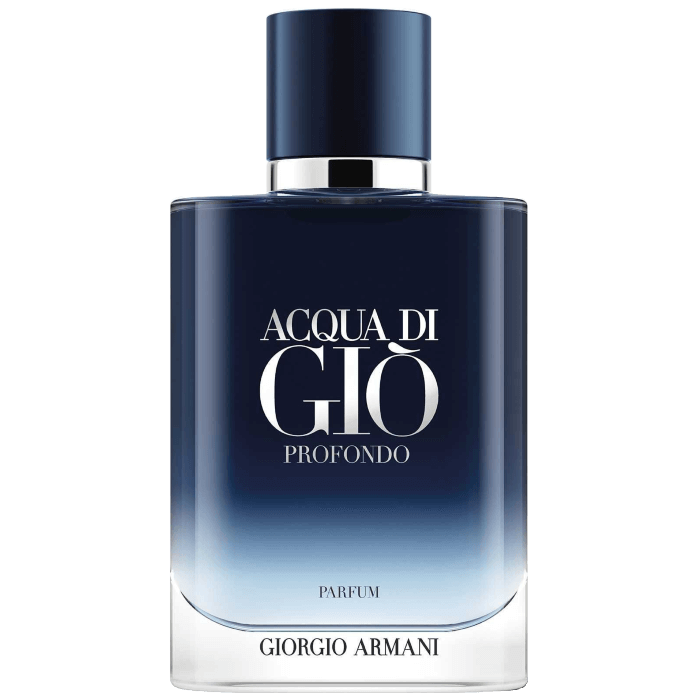
Acqua di Giò Profondo Parfum
Giorgio Armani
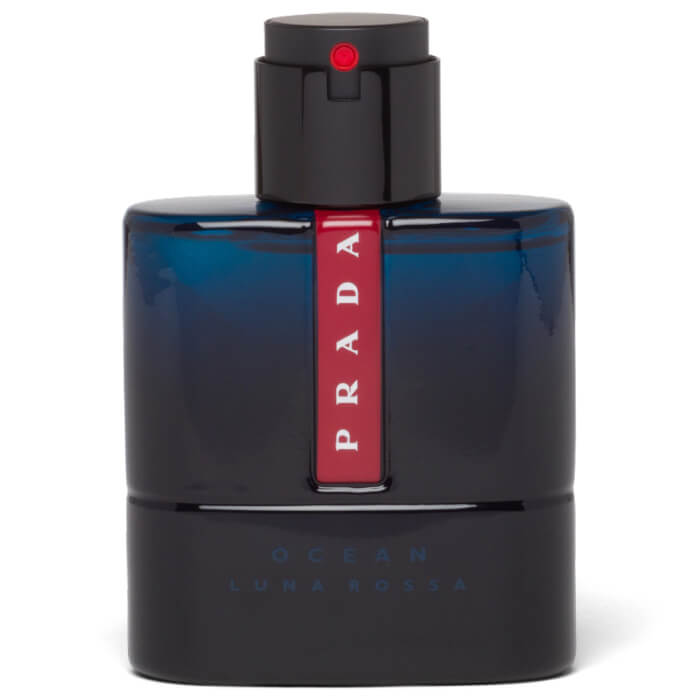
Luna Rossa Ocean
Prada
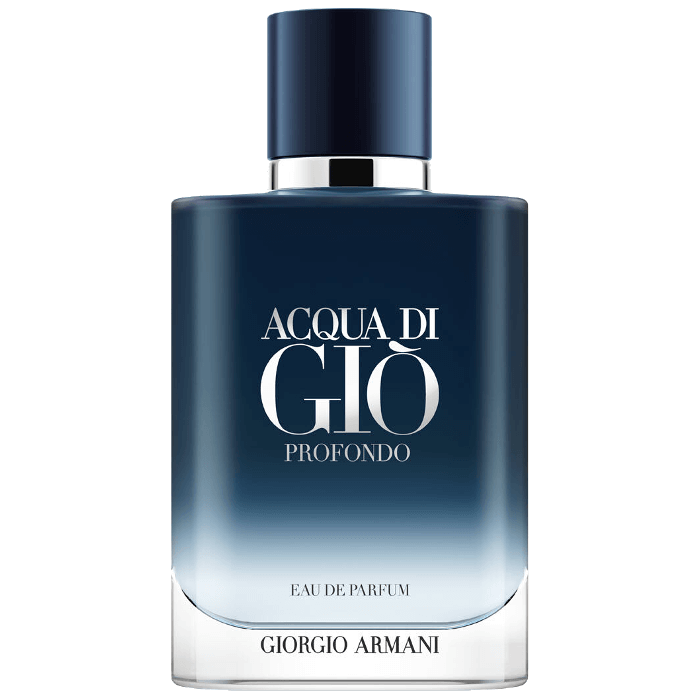
Acqua di Giò Profondo Eau de Parfum
Giorgio Armani
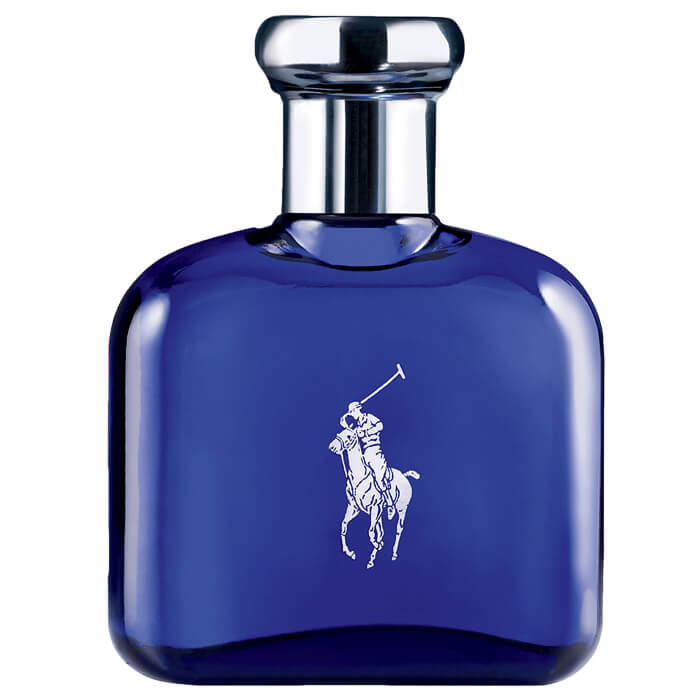
Polo Blue
Ralph Lauren
Dylan Blue
Versace
Viking Cologne
Creed
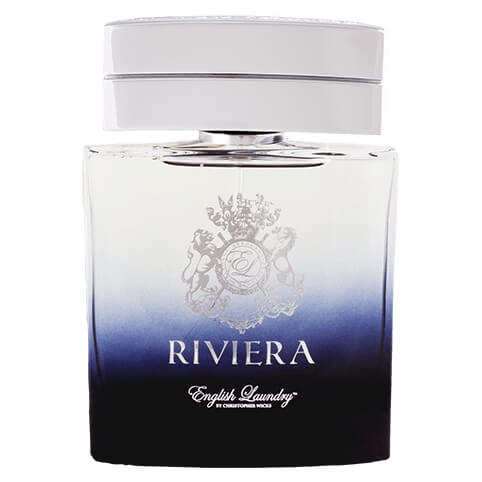
Armour
English Laundry
UOMO Urban Feel
Salvatore Ferragamo
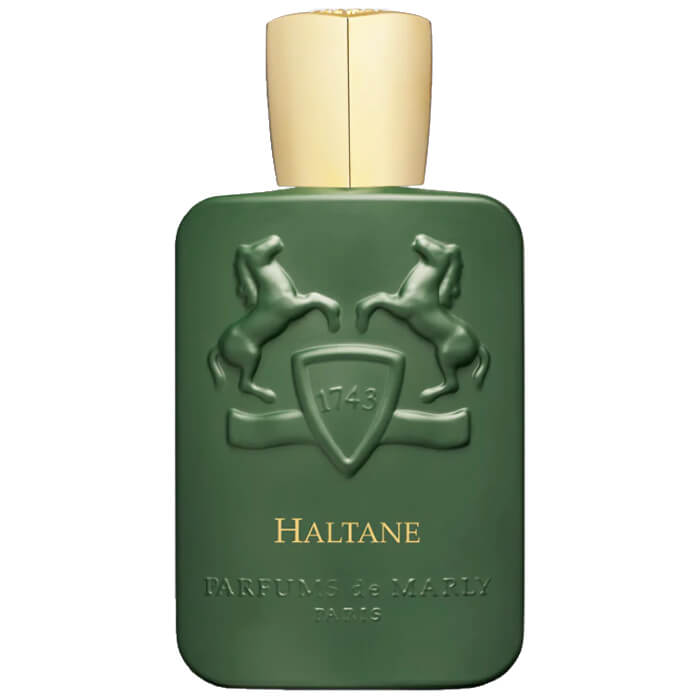
Haltane
Parfums de Marly
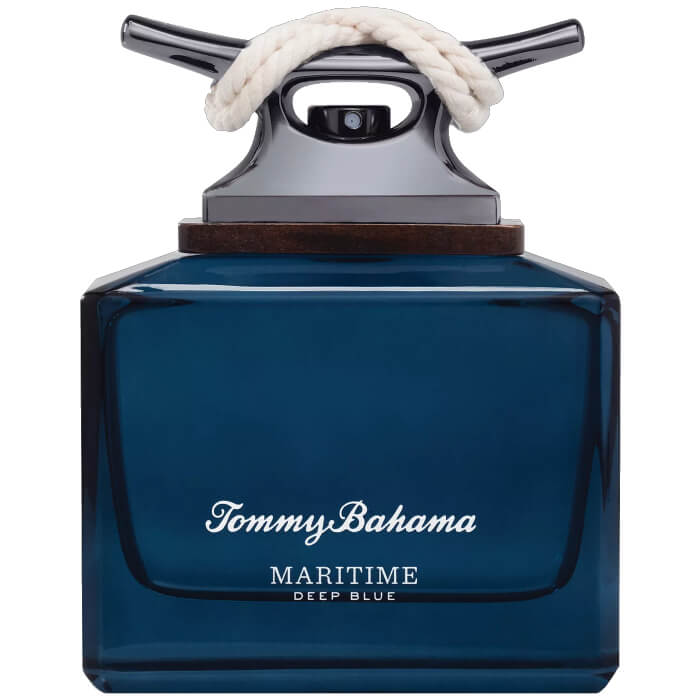
Maritime Deep Blue
Tommy Bahama
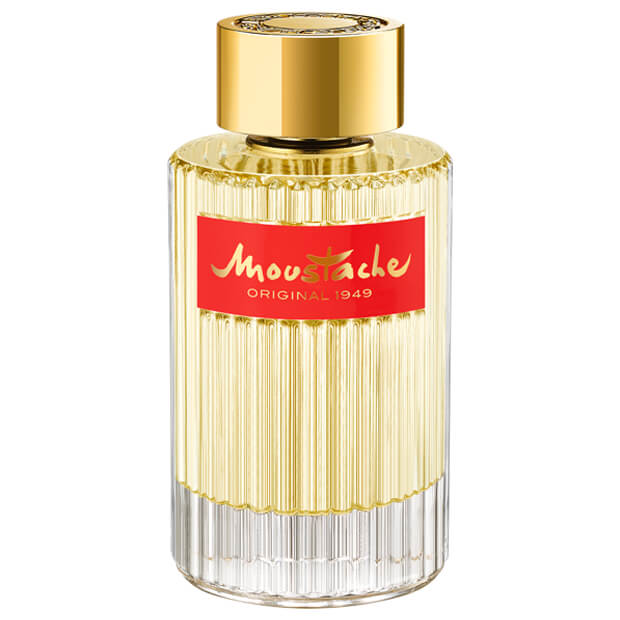
Moustache Eau de Toilette
Rochas
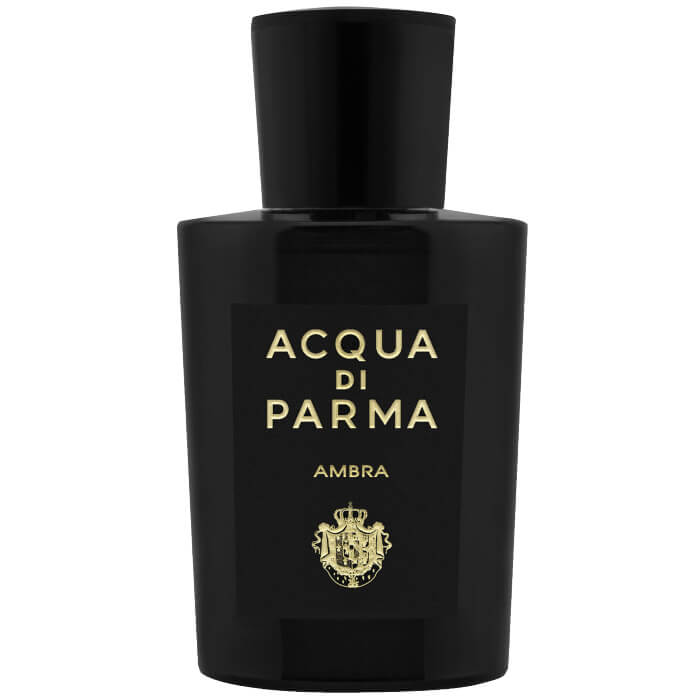
Ambra
Acqua di Parma
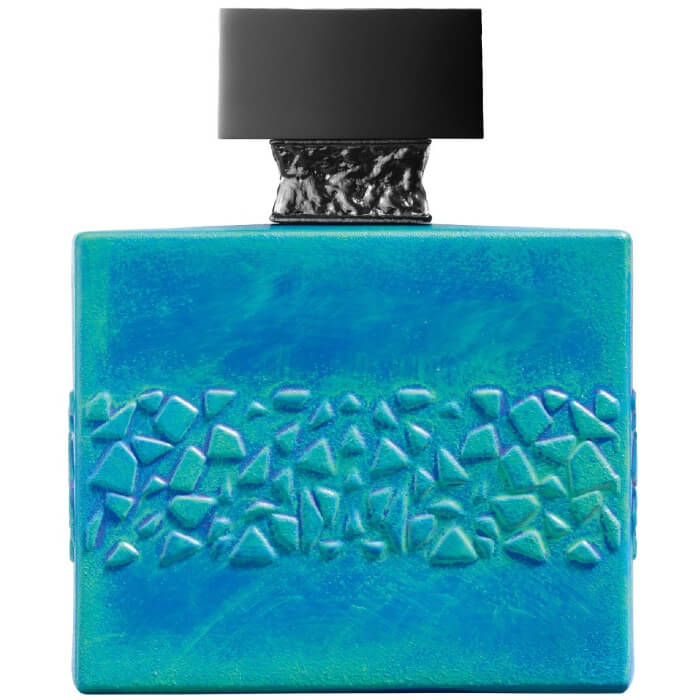
Edenfalls
Parfums Micallef
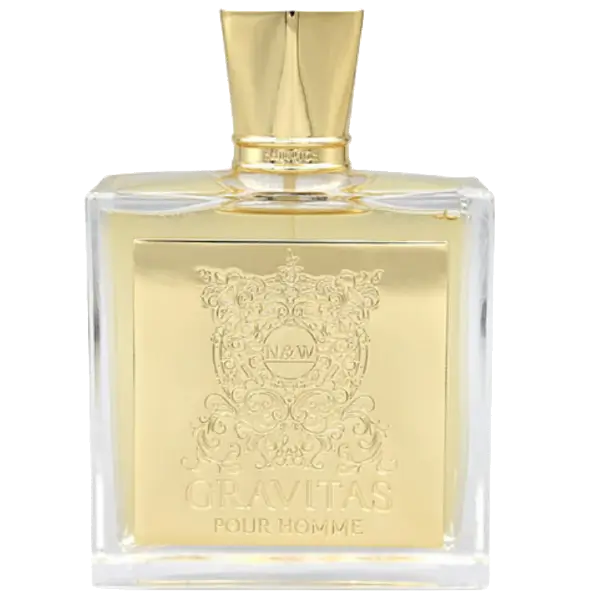
Gravitas Pour Homme
Naughton and Wilson
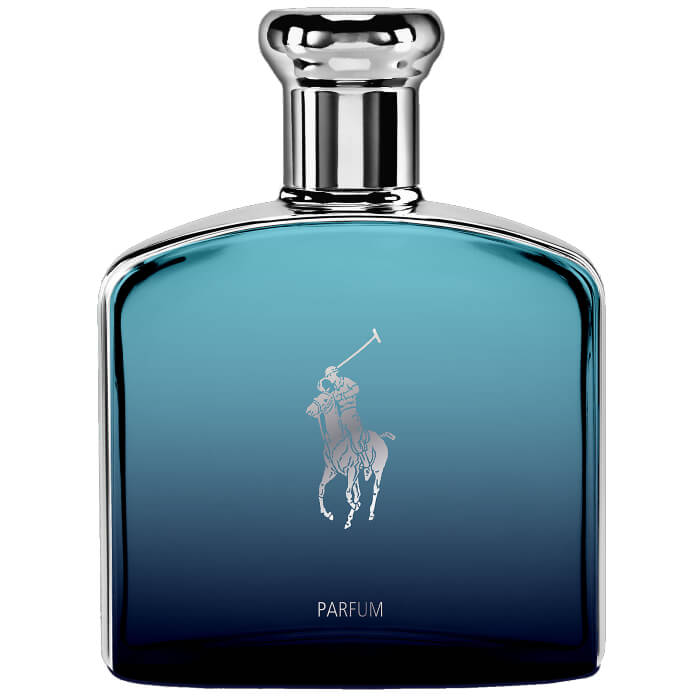
Polo Deep Blue Parfum
Ralph Lauren
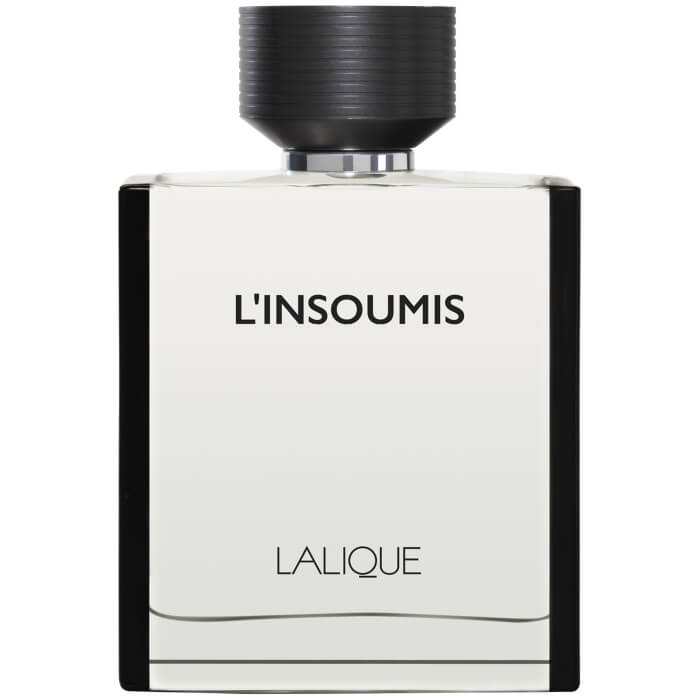
L’Insoumis
Lalique Parfums
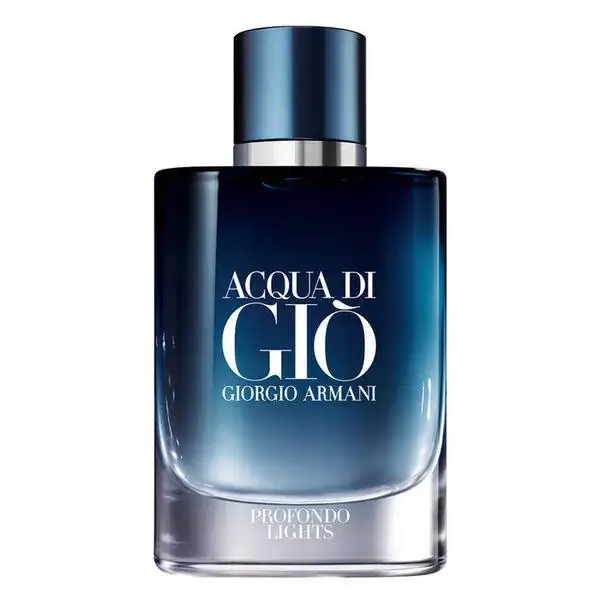
Acqua Di Giò Profondo Lights
Giorgio Armani
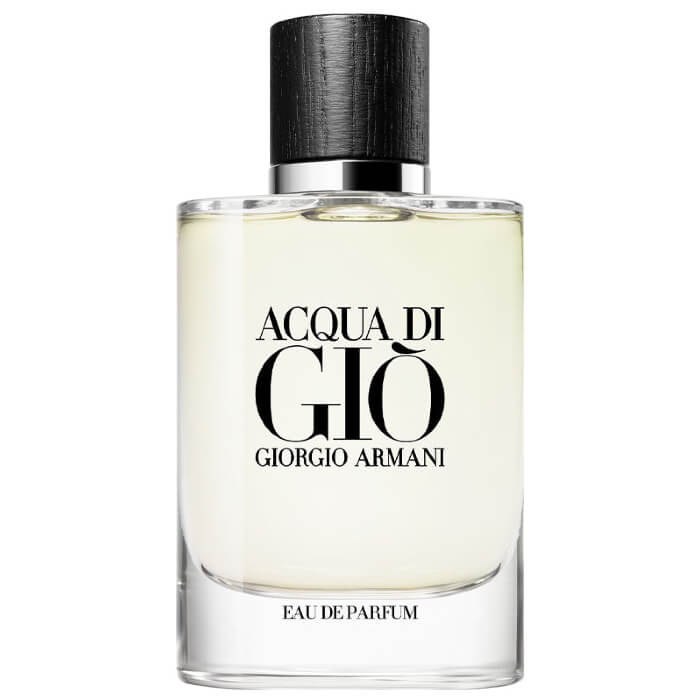
Acqua di Giò Eau de Parfum
Giorgio Armani
Fragrances With at Least Five Notes in Common
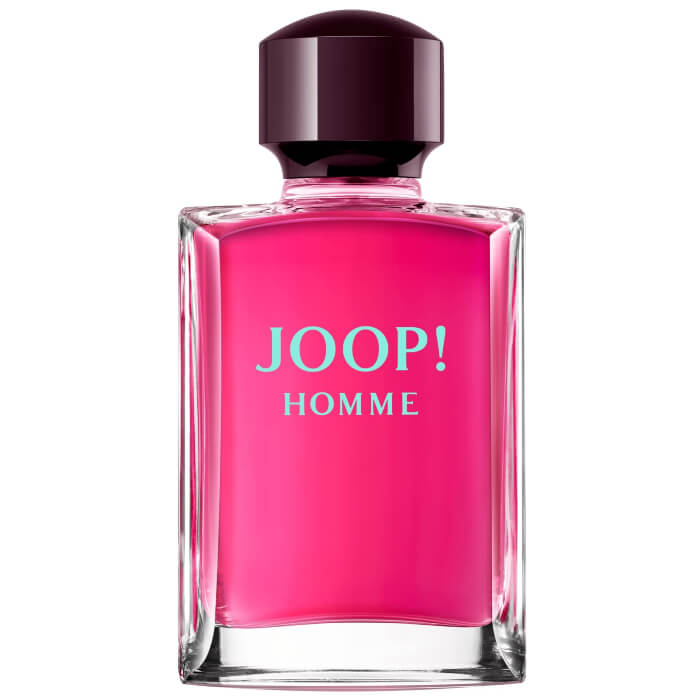
Joop! Homme
Joop!
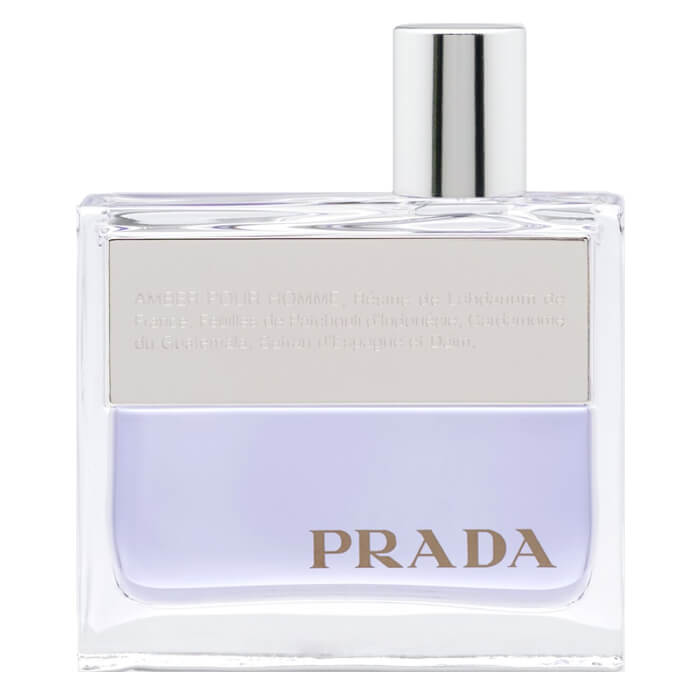
Amber Pour Homme
Prada
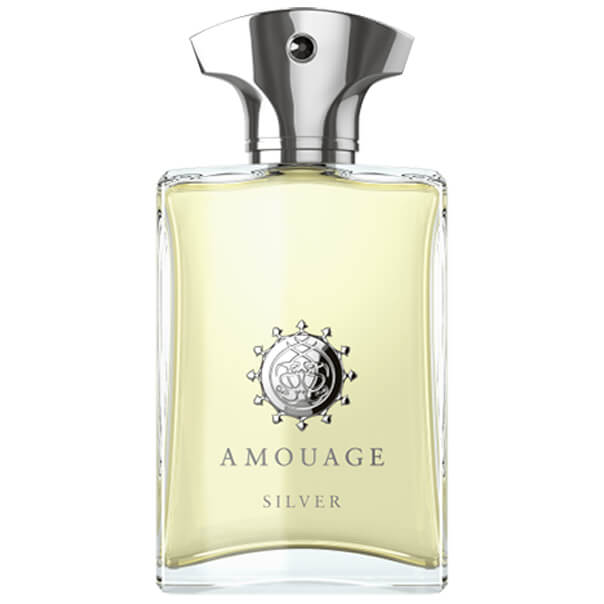
Silver Man
Amouage
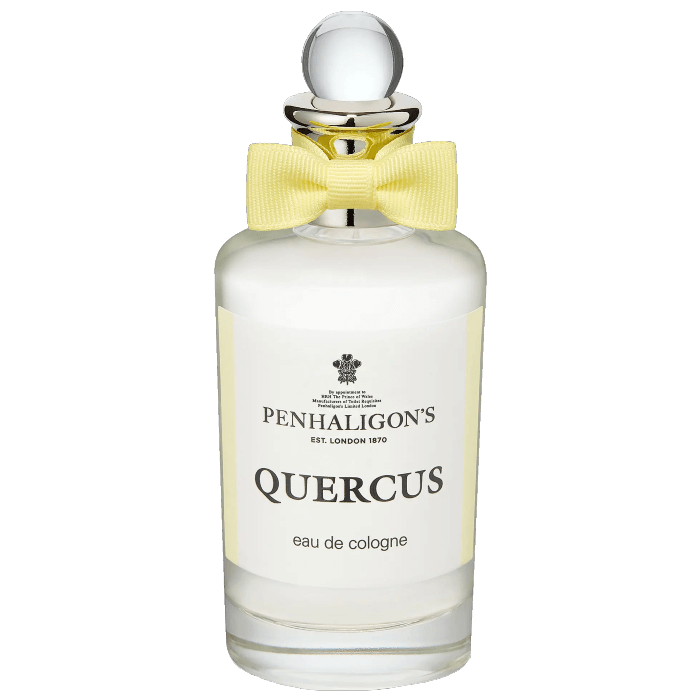
Quercus
Penhaligon's

Select Night
Mercedes-Benz Parfums
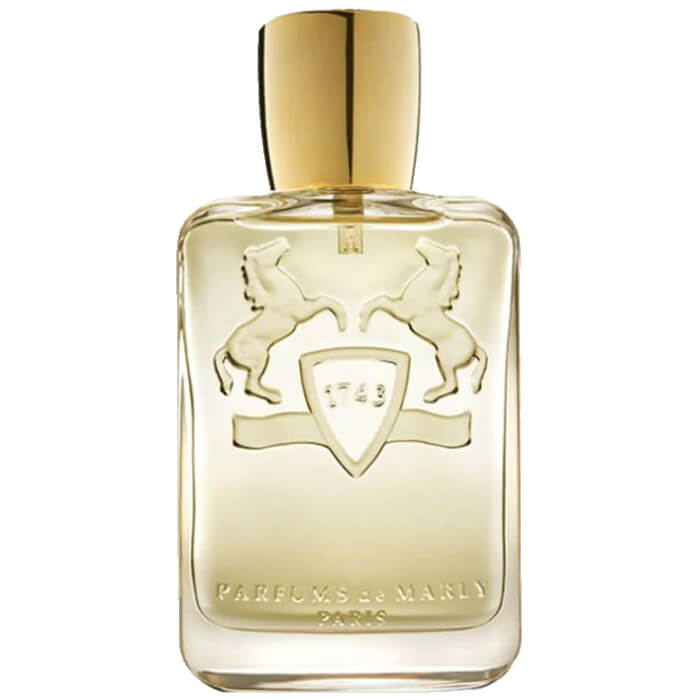
Darley
Parfums de Marly
Fragrances from the Same Family with at Least Four Notes in Common
Quercus
Penhaligon's
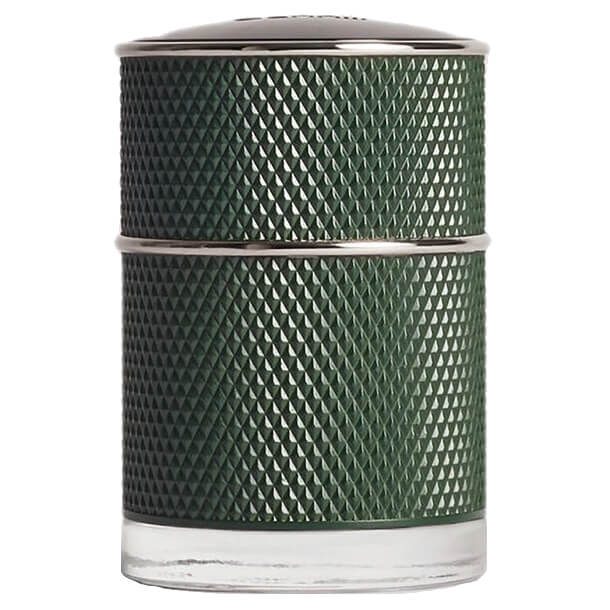
Icon Racing
Dunhill
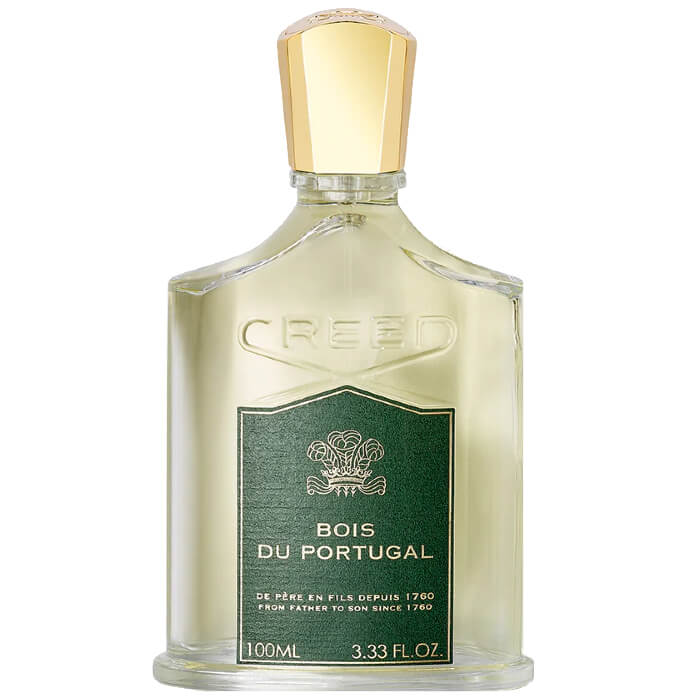
Bois du Portugal
Creed
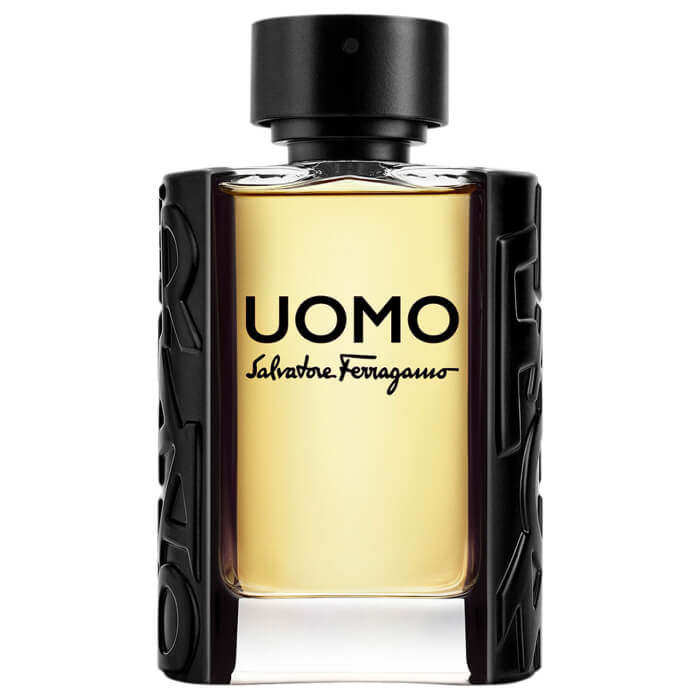
UOMO
Salvatore Ferragamo
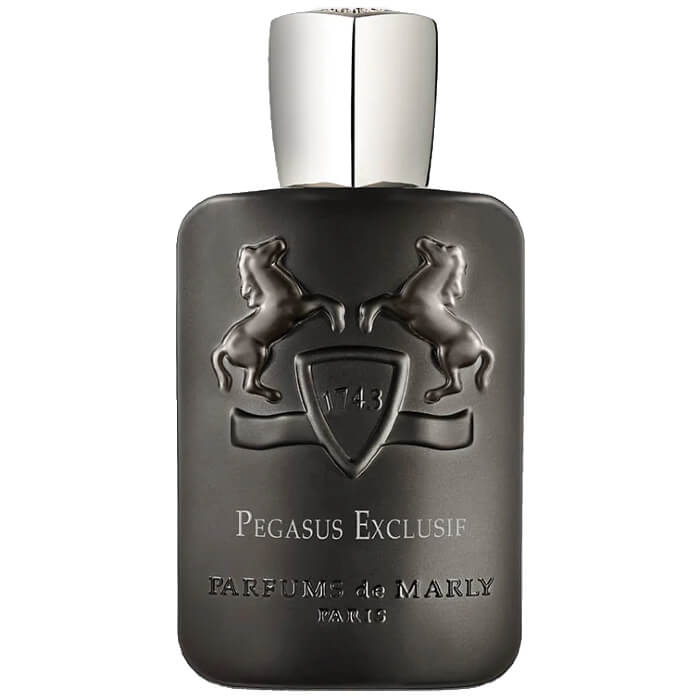
Pegasus Exclusif
Parfums de Marly
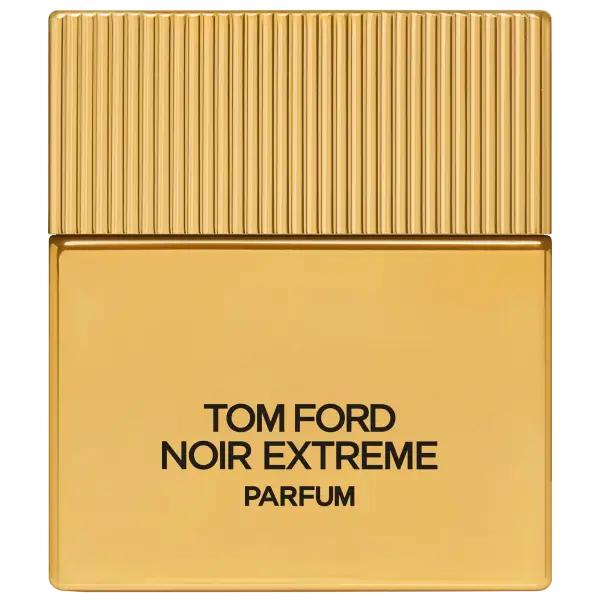
Noir Extreme Parfum
Tom Ford
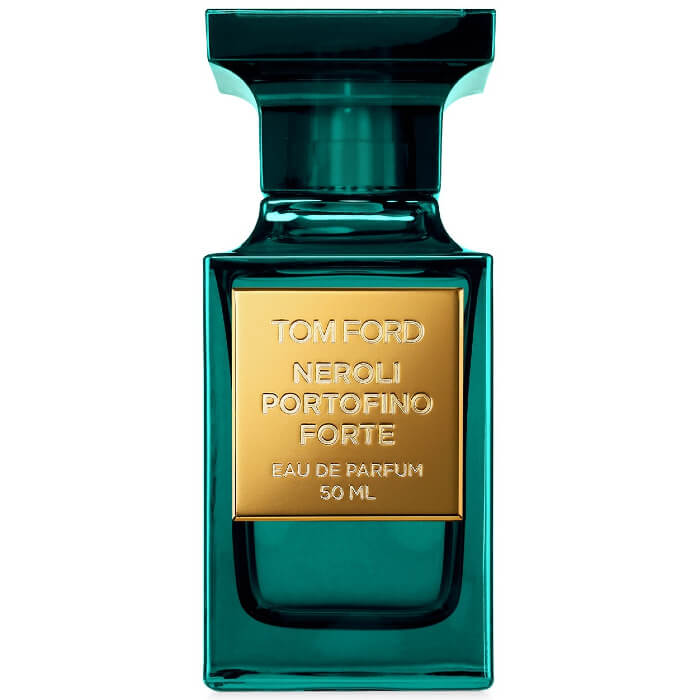
Neroli Portofino Forte
Tom Ford
Silver Man
Amouage
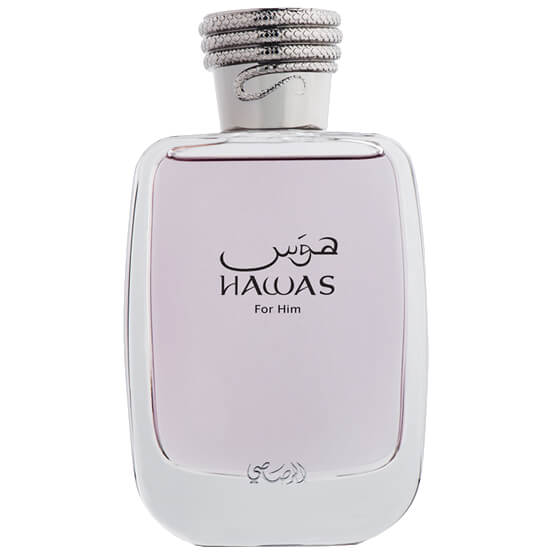
Hawas for Him
Rasasi
Select Night
Mercedes-Benz Parfums
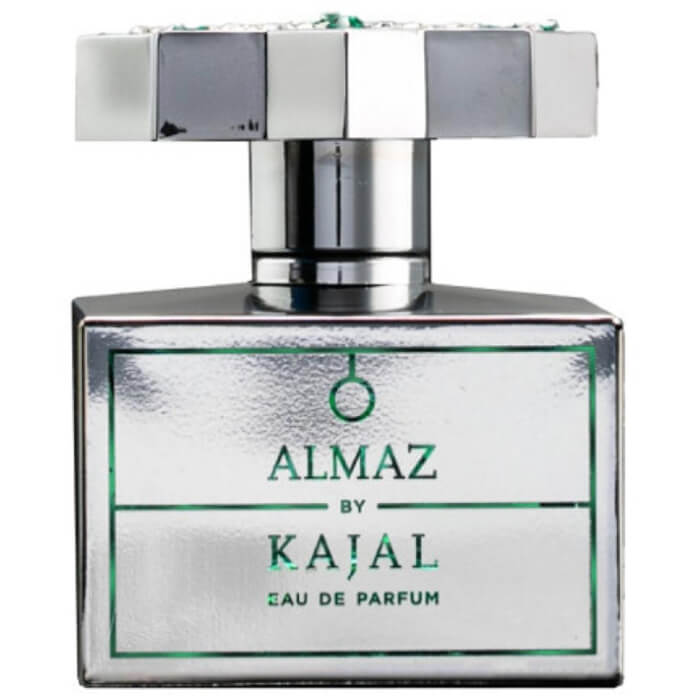
Almaz
Kajal Perfumes
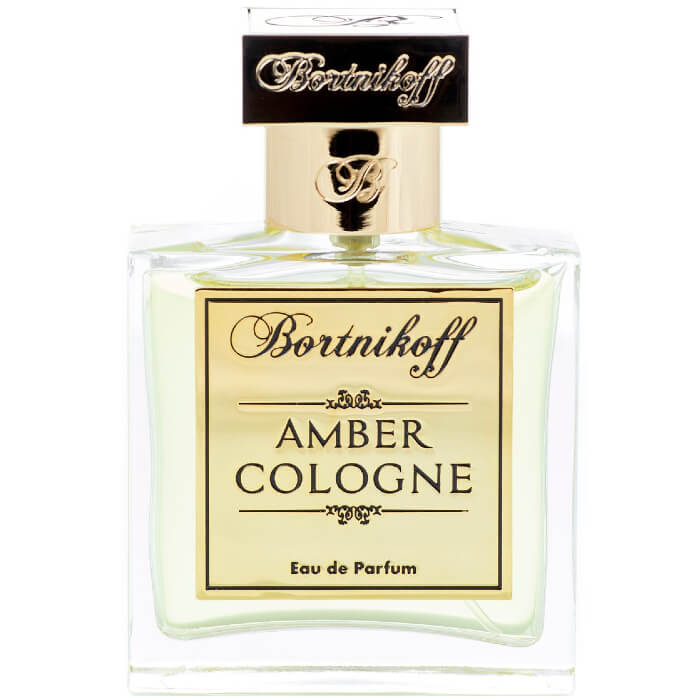
Amber Cologne
Bortnikoff Parfum
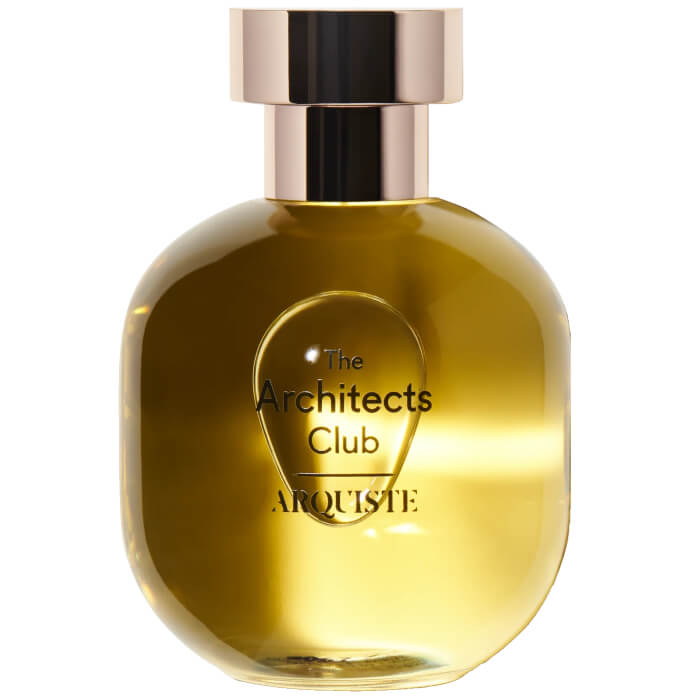
The Architects Club
ARQUISTE Parfumeur